

Okay, so check this out—I’ve been poking around Solana wallets for a while and something kept nagging me. Whoa! The choices look slick, but the devil’s in the details. My instinct said: don’t just chase the prettiest UI. Initially I thought UX was everything, but then I noticed the little security tradeoffs no one talks about. Hmm… somethin’ felt off about extensions that promise “one-click everything” and also ask for broad permissions.
Here’s the thing. Browser extensions for Solana are extremely convenient. Really? Yes. They let you sign NFT purchases, interact with on-chain apps, and manage SPL tokens right from Chrome or Brave. But convenience can mean broader attack surface. On one hand you want instant access to marketplaces; on the other hand you want your seed phrase locked down like Fort Knox. That tension is the whole story.
If you’re after NFTs on Solana, a wallet extension becomes the bridge between you and the marketplace. It stores private keys, handles transaction signing, and often surfaces token metadata. Some extensions are minimal and secure. Some are feature-rich and more exposed. I’ll be honest: I’m biased toward wallets that favor clear permissions and strong defaults over flashy extras. This part bugs me—too many wallets treat “ease” like a substitute for “safe.”
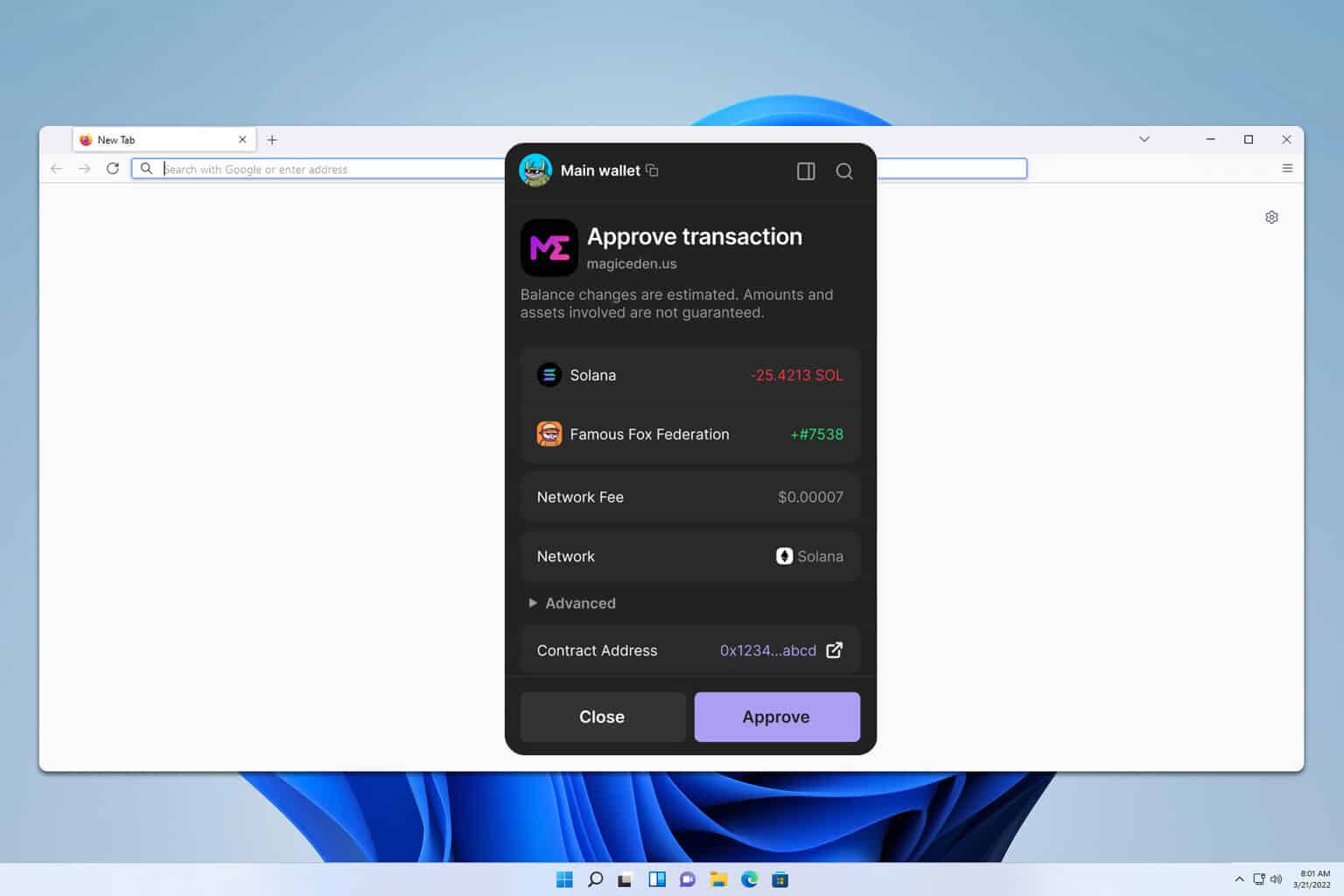
What matters most in a Solana NFT browser wallet
Security first. Short sentence. Look for locally stored encrypted keys, not cloud backups. Multi-layer encryption, a clear seed phrase export process, and optional hardware wallet support should be non-negotiable. On-chain apps can ask to sign things all day; the wallet should show obvious prompts that don’t hide what’s being signed. Also, revocation options (or wallet connect-like sessions you can end) are helpful.
Usability matters too. You don’t want to wrestle with network switching or be forced into obscure settings just to receive an NFT. Medium difficulty tools are fine for power users, sure, but many NFT buyers are newcomers. A clean activity log, clear token displays, and easy transaction history reduce mistakes. I like small touches—showing the raw data link for a transaction (if you want to dig) is nice.
Integration with marketplaces and dapps is practical. You want the wallet to interoperate with Solana NFT platforms (Magic Eden, Solsea, etc.) without constant pop-ups. That said, only allow connections you trust; you can always disconnect later. On the one hand connecting often is convenient—though actually, it’s safer to connect per-session when buying or interacting.
Fees and speed. Solana is cheap and fast, but wallets differ in how they present transaction fees and retries. A wallet that masks fees or auto-retries without your consent? Red flag. Look for transparent fee estimates and clear status updates when a transaction is pending or failed.
Why extensions like phantom wallet get recommended
Practical reasons. They strike a balance between friendly UX and sensible defaults. Lots of people use them. Adoption matters because developer and marketplace support tends to follow the user base—more integrations, fewer surprises. That doesn’t mean every popular wallet is perfect though. I’m not 100% sure any one wallet is right for everyone. Still, if you want a starting point, consider this: phantom wallet is commonly suggested because of its clarity (and because lots of dapps just expect it).
Okay—quick practical checklist: backup your seed phrase carefully, enable hardware wallet linking if offered, never paste your seed into a website, and use a fresh address for mint drops if privacy matters. Also, keep extension permissions minimal; review them in Chrome/Brave periodically. I’m repeating myself slightly because repetition helps memory—very very slight, but useful.
Step-by-step: set up a browser extension wallet for NFTs
Start small. Download the extension from the official source (check the site, check the publisher). Install it and create a new wallet. Save the seed phrase offline—paper and a small fireproof safe are old-school, but they work. Don’t snap a photo of it and toss it in cloud storage. Seriously, don’t.
Next, set a password for the extension and enable any additional protections. If the wallet supports hardware signing, pair your device. Connect only when needed: go to the NFT listing, click connect, and confirm in the extension. The extension should show exactly what you’re signing—contract calls, amounts, and recipient addresses. Pause if anything looks weird; scam listings sometimes try to trick users into approving token approvals that drain assets.
After purchase, check the NFT’s metadata and the transaction on a Solana block explorer. This confirms the transfer and gives you the mint address for provenance. If you plan to store large-value NFTs, consider cold storage strategies or custody services. On one hand cold storage reduces accessibility for quick sales, but on the other, it drastically reduces risk.
FAQ
Is a browser extension safe for holding valuable NFTs?
Short answer: it’s okay for everyday use, but not ideal for long-term storage of high-value assets. For heavy collections, use a hardware wallet or institutional custody. For casual buying and selling, an extension with good security practices is fine.
How do I check an extension is legitimate?
Verify the publisher in the browser store, cross-check the official project site, and look for community references (Twitter, Discord, GitHub). Beware copycats that use similar icons or names. If an install prompt asks for unusual permissions, bail out and research first.
What if a dapp asks me to sign a strange message?
Don’t sign arbitrary permission requests. If it asks to approve token transfers or unlimited approvals, revoke them later and investigate. For minting, signing is normal—but check what you’re approving and confirm the recipient address and amount.
Alright, final note—trust but verify. That sounds cliché, but it’s practical. Your wallet extension is the gateway to your NFTs and your on-chain identity; treat it like the key to your house. If somethin’ seems off, pause. My instinct has saved me a couple times when a popup looked suspicious. And hey—if you want a friendly starting point that many Solana dapps support, take a look at phantom wallet and then decide based on the security features you actually need.